
Ken Baskin: Looks Can Be Deceiving
Palette is pleased to present Ken’s Industrial Ceramic Sculpture as well as unrelated Mid-Century Modern pieces by 1950s Scandinavian stoneware artists.
Ken, current Professor of Ceramic Art at McNeese State University in Lake Charles LA, did not “find” his abstract, yet stunningly realistic created industrial components. He made these entirely hollow pieces from clay. They must be seen to be believed!
Gunnar Nylund’s stoneware vessels hail from 1950s Scandinavia. “Looks can be deceiving” as his pieces have a texture and palette reminiscent of wood rather than clay. Lisa Larson and PaulA Von Freymann’s adorably textured Mid-Century Modern animal sculpture will also be displayed.

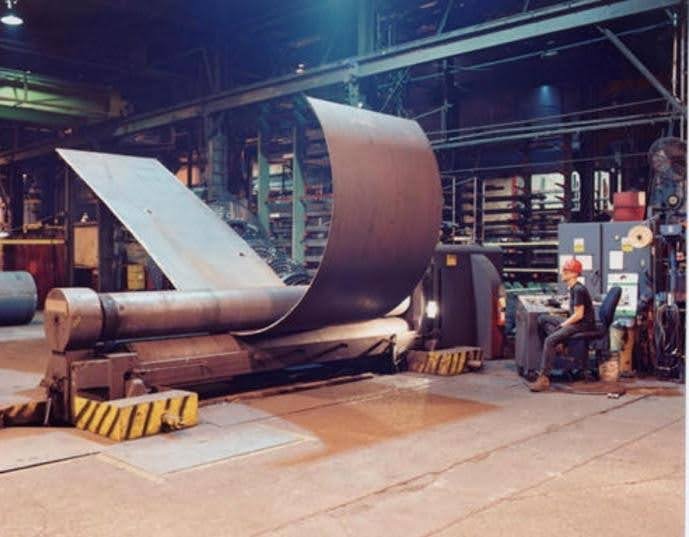
The inspiration for this series of work is a Plate Rolling Machine. When I look at the inspiration image I think about power, strength, tension and movement. The dynamic forces that it takes to bend the steel, molding it into something else, changing it shape through pressure to me, equates to the human condition.


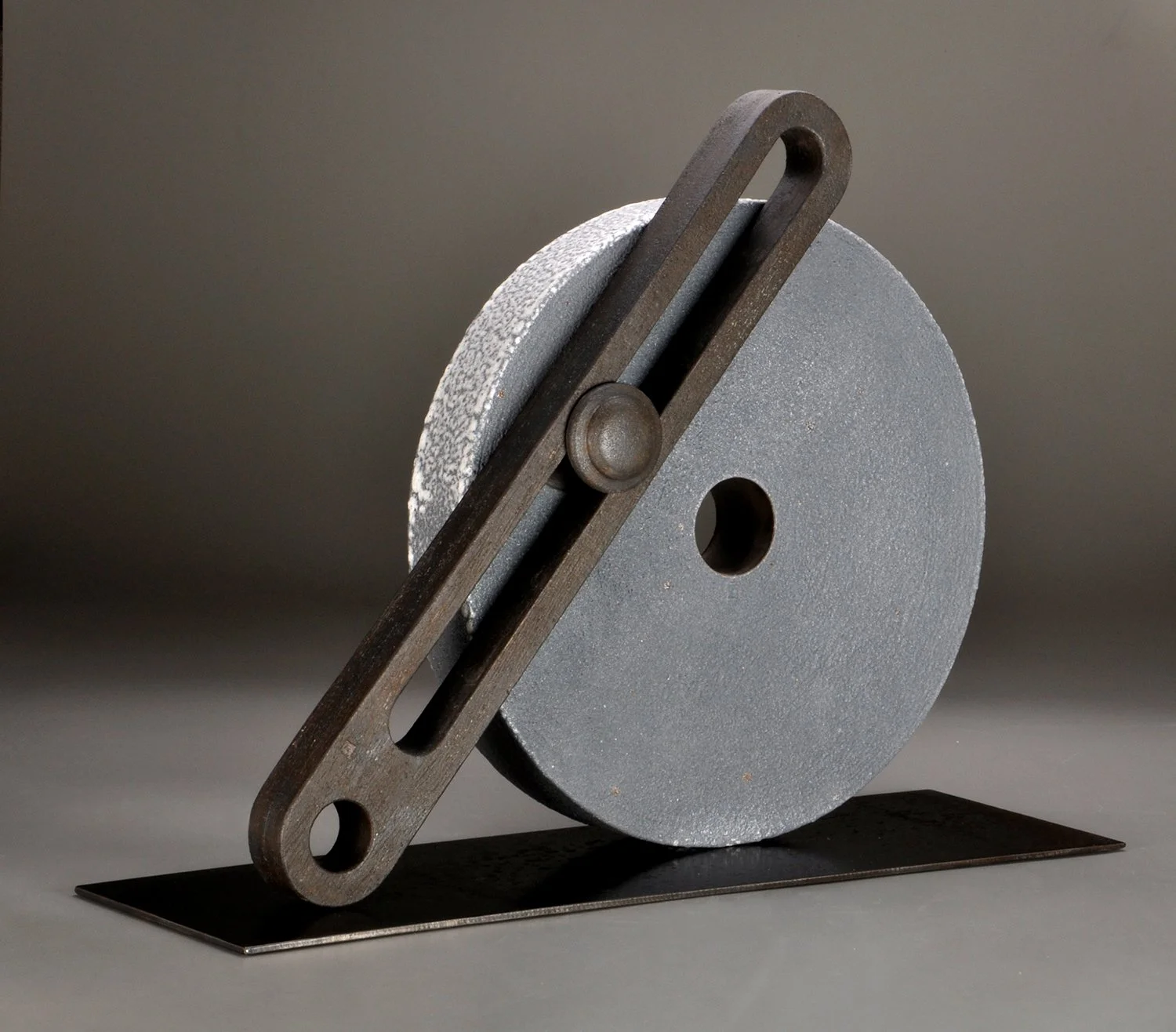
The inspiration for this work is a Rack and Pinion Gear.
I was a maintenance technician in a bleach plant for many years, this started my love of machinery. The mechanistic world we have created is driven by gears and gear systems. They are the driving force behind our mechanized world. For me they represent movement, time passing , the journey we all go through. Every time the gear advances one more step is taken.
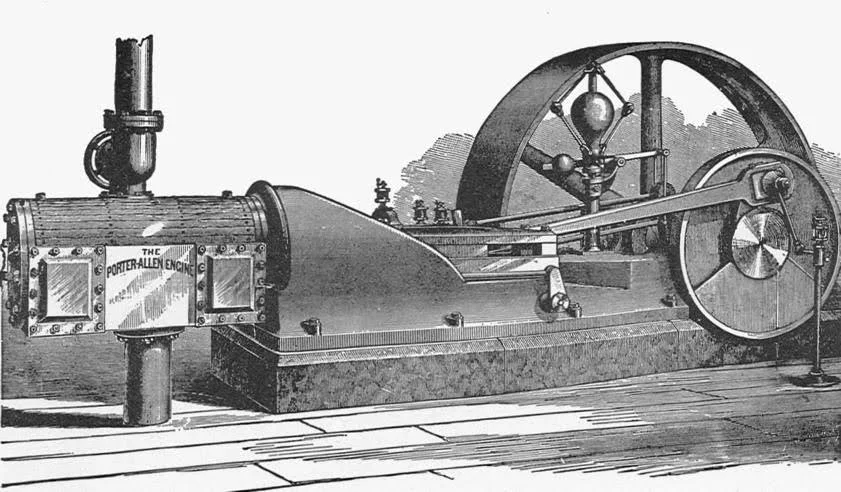
Inspiration Fly Wheel
A fly wheel is the amplification of mechanical motion, it’s a driving force behind machinery. The movement and strength of the objects are fascinating. In all of my work one of the central themes is movement and balance. I love the strength of industrial objects. I try to capture the dynamic kinetic energy that machines and machine parts have. Through the use of the material (clay) I am also able to equate the machine parts to the human condition. I am using one of the oldest and most malleable materials that man has used and making hard edged sculptures of industrial parts. Obviously, these parts were never meant to perform the intended functions of the parts they reference; instead, they are meant to serve as reminders of how fragile and tenuous the human condition is.
Random thoughts about my work
I am fascinated with engineering and the application of human intellect onto the world.
"Form follows Function" is a term coined by the Bauhaus movement of the 20's and 30s to describe how a building or object's appearance should be dictated by its purpose. Machines and machine parts in their truest sense follow the Bauhaus tradition in that line, shape, color and form are dictated by function. I find this “directness” beautiful in its simplicity.
The human experience is an interesting notion; it implies that our ideas are a compilation of the past merged with thoughts, ideas and insights of the present. Looking back, humanity was first defined by the making of tools, man struggling with his hands to create the tools of our survival. We then took those simple tools past simple function creating the first complex machines. Ultimately, we have created computers and machines that make machines.
The human touch is being removed from the equation; the very thing that distinguishes our humanity replaced by machines. Has technology become the new definition of humanity? If so by what means do we measure our humanity, and ultimately what does it mean to be alive?